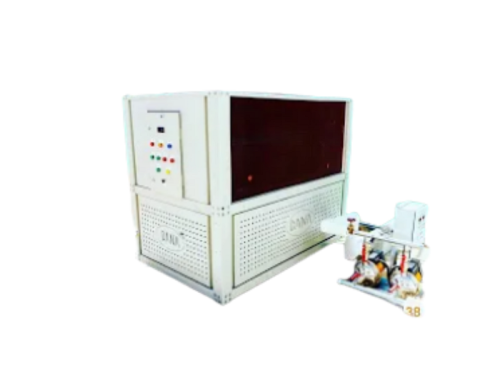
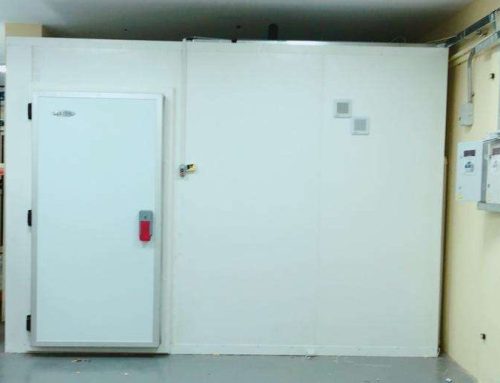
Cold room is a refrigeration chamber or insulated area that is used to maintain a controlled temperature or temperature range. Food and pharmaceutical products like vaccines are stored in cold rooms since they are temperature-sensitive and perishable. The size of a cold room can range from a tiny walk-in room to a massive warehouse fd.

WHAT ARE THE BENEFITS OF USING A COLD ROOM?
Cold room, which enable precise temperature control, may be beneficial to commercial processes that require frequent, intense refrigeration or freezing. This means longer-term temperature control for perishable or unstable items, lower degradation rates, and piece of mind knowing that things are kept in the best possible conditions for food or chemical storage.
The utilisation of cold room is one of the above-mentioned conditions for cold storage of these commodities. Other advantages of Parameter’s cold room include the following
- Energy Efficiency – Lower the cost of storing samples and other materials by conserving energy. Cold storage units are designed to reduce temperature changes, using less energy to balance and alter the temperature while in operation. This is true regardless of your industry.
- High Product Standards – Using cold storage, ensure the potency of vaccines, medicines, and other sensitive commodities. This can also assist your business’s reputation and dependability.
- Safety and Security – Medications and medical equipment are extremely delicate and costly; keep them secure in sealed, weather-proof cold storage facilities.
In addition to the transportation of industrial materials and other temperature-sensitive items between industries, cold storage is employed. In this situation, a cooling unit has been put in the container to maintain appropriate temperature management. Cold rooms are appreciated for their accuracy and power, as well as their ability to maintain particular temperatures for extended periods of time.
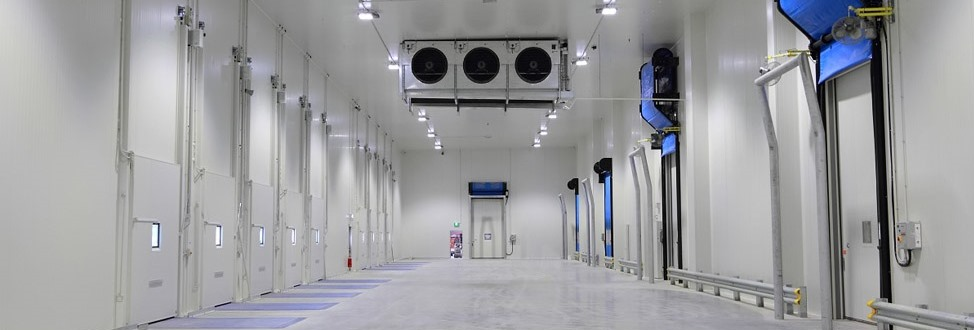
Dairy Farm Cooling System
When it comes to preserving product quality and customer safety in today’s dairy sector, keeping accurate temperatures is critical. Fortunately, advances in milk chilling technology have offered a solution to this common problem in modern dairy farms. Chillers Benefits for Bulk Milk Chilling Units. Our staff has spent years working directly with dairy farm specialists and has a thorough understanding of the necessity of the milk chilling process. Here are some of the features of our Cold Chillers:
- Reduced Refrigerant Loss – Our chillers aim to reduce refrigerant loss to the environment, increasing the productivity and efficiency of our units.
- Low Energy Output – Our cost-effective solutions reduce energy output, lowering your operating expenses and increasing your profits.
- On-demand chilling – Increase the shelf life of your milk by reducing the time it takes to cool it and eliminating the need for storage tanks.
- Redundancy Alternatives – We have a number of redundancy options available to keep your milk cold and your operations operating smoothly.
- Easy to Maintain – With the aid of easy-to-clean plate and frame heat exchangers, you may spend less time on maintenance.
Milk Chillers in Dairies Work
The bulk milk cooling tank will begin process cooling once milk has been pumped into chilled dairy cooling tanks. This allows the machine to efficiently remove any heat created during pasteurisation from your equipment. The chiller can accurately cool the milk to a certain temperature, extending its shelf life and ensuring food safety.
Handling Temperature in Poultry Farms
After being cleansed, the carcasses are frozen down below 4 degrees Celsius (40 degrees Fahrenheit). Water chilling and air chilling are the two most common ways for chilling poultry.
Cooling down the water
Water chilling is used throughout, including a prechilling procedure that employs a counter current flow of cold water to lower the temperature of the carcasses. The bodies are then moved to a chiller, which is a large tank designed to transport the bodies in a short amount of time. Two tanks are used to prevent cross-contamination. Each tank has its own water outflow. Although this increases the chilling process’ water consumption, it aids in the reduction of bacterial cross-contamination by diluting the microorganisms washed off the carcasses and preventing recontamination. During water chilling, the amount of water obtained is carefully regulated, resulting in an increase in chicken weight. Water pickup is limited to 8% for birds headed straight to market and 12% for birds that will be processed further (the assumption is that they will lose the extra 4 percent by the time they reach the consumer).
Air Cooling
Air conditioning is the standard in Europe. The corpses are hung with shackles and then shoved through coolers with fast-moving air. The approach consumes more energy than water cooling, and dehydration causes the birds to lose weight. The air is cooled to prevent cross-contamination between birds. However, if a single bird is infected with a huge number of pathogens, the pathogen count will remain on the bird. As a result of the elimination of numerous pathogens in the water, water freezing may actually result in a lower total bacterial load. The carcasses are often shipped at 2 to 1 °C (28 to 30 °F), just over the freezing threshold for poultry. A slight crusting on the surface may develop during the final chilling. After packing, water-chilled carcasses are placed in an air chiller to complete the chilling process.
Natural condition of poultry products
It is feasible to package complete or particular portions of birds in raw form for direct sale. Chicken packaging in the United States must include instructions for proper handling, such as cleaning any equipment that has come into contact with raw poultry and washing hands before making other meals. The vast majority of raw turkey is sold frozen, while the vast majority of raw chicken is sold fresh.
Fresh poultry
Typically, the birds are split into several pieces and placed on plastic foam trays, which are then covered with plastic film. A “diaper” (absorbent paper with a plastic backing) is occasionally used to catch any liquid that may escape from the meat. Fresh poultry should be consumed within 14 to 21 days following slaughter and kept refrigerated for no more than three days. In the United States, poultry that has been frozen to a temperature of 5 to 4 °C (22 to 24 °F) and then allowed to thaw can be legally advertised as “fresh.”
Frozen poultry
Vacuum-packed and frozen in high-velocity freezers, the bulk of frozen chicken is produced. The birds are kept in cold storage until they are needed. Prior to freezing, chicken can be injected with various salts, flavours, and oils to increase the juiciness of the meat. The extra components are stated on the product label, and injections are frequently conducted with a multi-needle automated injector. Frozen storage period (including chicken purchased fresh and frozen in a home freezer) is determined by the freezer’s temperature, packing quality, and cycling. Poultry should be utilised within three months for optimal benefits. Frozen chicken items can be utilised immediately or after being thawed. To reduce the risk of microbiological contamination, thawing should be done in the refrigerator or under cold running water.
About us:
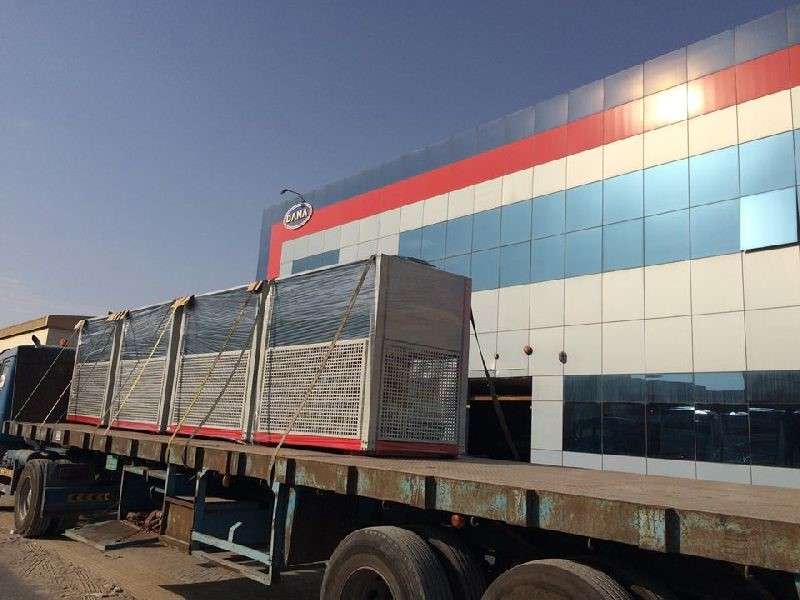
Established in 2001, DANA WATER HEATERS & COOLERS FACTORY LLC, is one of the manufacturing concerns of prestigious DANA GROUP [www.danagroups.com]. Since its inception the company has endeavoured to provide premium quality heating, cooling & refrigeration solutions to its valuable clients.
With its head office situated within 10 minutes from Dubai International Airport, and its manufacturing facilities in Al Quiz Industrial Area 1 (Dubai) & Al Jury Industrial Area (Ajman), we are fully equipped to meet the demands of the McGruff & Arab markets.
Our firm is an experienced Manufacturer, Exporter, and Supplier of Industrial Air-Cooled Water Chillers, Tank, Stainless Steel Drinking Coolers, Heaters, Swimming Pool Heat Pumps & Cold Room Refrigeration Solutions from Dubai, U.A.E. Our Units are designed to be highly efficient, consume less power and deliver reliable output. We are capable of delivering any order with reliability, on-time delivery & prompt after sales service.
Customers can obtain our exclusive collection of heating & cooling solutions at modest rates. The Products we offer are acclaimed for their elegant designs, good spaciousness, and excellent finish. As a reliable Manufacturer, Exporter, and Supplier from Dubai, U.A.E., we ensure customers get a quality assured product. Hence, our quality auditors check our products on various parameters before the final delivery. Our products are exported to Africa,Oman,Bahrain,Saudi Arabia,Kuwait,Qatar ,Jordan and other neighboring Gulf/GCC Countries .We have our dedicated installation & after sales team to cover installations across UAE( i,e Dubai,Ajman,Sharjah,Al Ain ,Abu Dhabi,Fujairah,Ras Al Khaimah,UAQ) and GCC countries.
Dana Water Heaters And Coolers Factory LLC
Contact Person : Mr. Ankur Singh
Address :-Head Office – Suite No 405-406,B-Block Centurion Star Bldg,Opp Deira City Center, Dubai – 40743, United Arab Emirates
Factory – Plot # 369-B166,Al Quoz Industrial Area #4,Dubai , UAE
Contact No. : +971-4-2217273 (Landline)
Email : info@danagroups.com / info@danawatercoolers.com