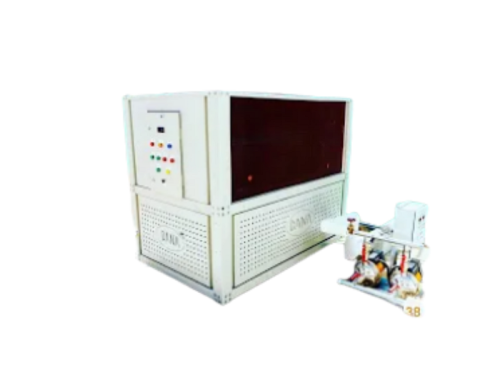
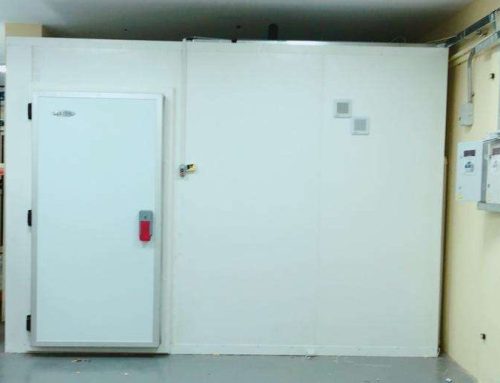
A cold room is a refrigeration chamber or insulated area that is used to maintain a controlled temperature or temperature range. Food and pharmaceutical products like vaccines are stored in cold rooms since they are temperature-sensitive and perishable. The size of a cold room can range from a tiny walk-in room to a massive warehouse storage area.

WHY USE A COLD ROOM?
Cold rooms, which enable precise temperature control, may be beneficial to commercial processes that require frequent, intense refrigeration or freezing. This means longer-term temperature control for perishable or unstable items, lower degradation rates, and peace of mind knowing that things are kept in the best possible conditions for food or chemical storage.
The FDA advises current pharmaceutical warehousing best practises and requires that drugs be kept “under adequate temperature, humidity, and light conditions so that the medicinal goods’ identity, strength, quality, and purity are not compromised.” The utilisation of cold rooms is one of the above-mentioned conditions for cold storage of these commodities.
Other advantages of Parameter’s cold rooms include the following:
Energy Efficiency –
By conserving energy, you may lower the cost of keeping samples and other items. Cold storage units are built to minimise temperature swings, using less energy to maintain and adjust the temperature while in use. It doesn’t matter what industry you’re in.
High Product Standards –
Ensure the potency of vaccines, pharmaceuticals, and other sensitive commodities by storing them in cold storage. This might also help your company’s credibility and trustworthiness.
Safety and Security —
Medications and medical equipment are exceedingly fragile and expensive; keep them safe in weather-proof, sealed cold storage facilities.
In addition to transportation of industrial materials and other temperature-sensitive items between industries, cold storage is employed. In this situation, a cooling unit has been put in the container to maintain appropriate temperature management. Cold rooms are appreciated for their accuracy and power, as well as their ability to maintain particular temperatures for extended periods of time.
HOW DOES A COLD ROOM WORK?
Cold rooms have a similar design to any other refrigeration system, which allows them to function efficiently. A compressor, condenser, fans, and an evaporator are utilised to keep the temperature within the unit consistent. A gas refrigerant expands and absorbs energy after being compressed in the compressor. After liquifying under high pressure, the hot gas from the compressor runs over the evaporator coils and cools them as well as the surrounding air. To maintain their temperature, cold rooms must be well-insulated.
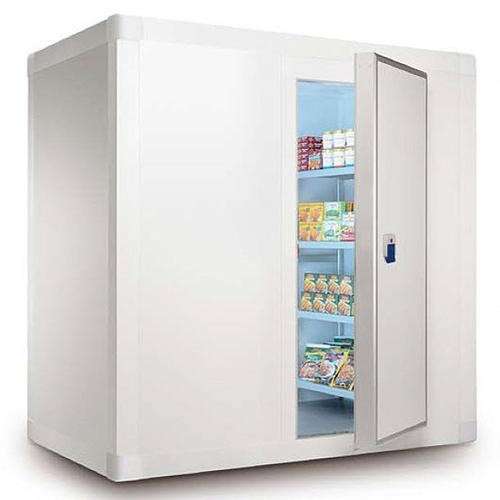
WHAT IS THE TEMPERATURE RANGE OF A COLD ROOM?
The majority of cold rooms can withstand temperatures ranging from -2°C to 10°C. The things being stored in a cold room define the temperature range of the room. Food goods such as fresh fruit should be kept at a cool room temperature of 2 to 8 degrees Celsius. A temperature of 5°C is required for pharmaceutical ICH storage, with a 3°C tolerance. When colder temperatures are required, freezer chambers, which may be also adjusted to -30°C for the storage of medicines or chemicals, will be the preferred option. Freezers may also meet ultra-low storage demands at temperatures ranging from -50°C to -80°C.
Cold-Rooms for Fisheries
The fish and seafood cold room is a low-temperature area where all types of fish and seafood are kept fresh. It may be classified into fresh seafood cold storage room, frozen seafood cold storage room, and seafood blast freezer cold room depending on the storage time. Any fresh fish or marine food must be stored under very stringent conditions, as there is a considerable chance of bacterial development, which can squander storage space. It must also be kept apart from all other types of food.
Area for storing fresh fish in the refrigerator
They are typically used for transitory trade and fresh seafood turnover. The temperature range is -5 to -12 degrees Celsius, with a storage span of 1-2 days. If the seafood is not sold within 1–2 days, it should be sent to the blast freezer section for quick freezing.
Frozen fish is kept in a cold storage facility.
They’re typically used to keep frozen seafood fresh for an extended period of time. The temperature range is -20 to -25 degrees Celsius, with a typical storage span of 1-180 days. The blast freezer chamber delivers quick-frozen fish to this low-temperature cold room.
In a blast freezer, fish and seafood are kept cold.
The storage temperature is typically between -30 and 35°C, with a quick-freezing time of 5 to 8 hours.
The difference between a seafood cold storage room and a regular cold storage room is that seafood includes more salt, which causes materials to corrode. After long-term corrosion, the cold storage will decay and perforate if no anti-corrosion treatment is used. For the construction of a fish and seafood cool room, we recommend stainless steel panels. Blue hydrophilic aluminium fins are used in evaporators.
Cold Room for Poultry farms
In today’s chicken industry, the variables that might effect quality, safety, and profit must be constantly monitored. In about 2,5-3 hours after being slaughtered in chicken processing plants, chickens are chilled (at 0 °C to 4 °C) and packed. After clearing quality inspection, some of these hens are moved to cold storage. Some of them are kept in plastic bags. The leftover portion is transported to be sliced and further processed in order to diversify the product. When compared to red meat, chicken flesh is more prone to spoiling. As a result, the temperature and microbe load of the meat at the start of storage have a direct impact on its quality. Fresh and frozen chicken may both be kept. Without the usage of the cold chain, fresh items are supplied to retailers as chilled at 0°C to 4°C with a two-week shelf life.
Frozen items have a shelf life of 6 to 24 months, depending on the storage temperature and whether they are carcasses or pieces of meat. Frozen items should be stored in rooms with a set temperature of minus 18°C and are frozen in fast freezing rooms at minus -35/-40°C.
Cold Room for Dairy Farms and Ice-cream
Since the beginning of time, milk and milk derivatives have been a vital element of the human diet. Pasteurized food accounts for about half of the 800 million tonnes of food produced globally. After opening, it should be stored in the refrigerator and consumed within two days.
Cheese, the second most important milk-based product, is one of the few foodstuffs whose value and flavour grow over time. Cheeses are stored at a temperature of 2 to 5 degrees Fahrenheit for 2 to 12 months. Milk butter may be stored at -25 degrees Fahrenheit for up to 12 months.
The following favourable air conditions within the cold storage produce this safe environment:
Thus there is a wide variation of data for storage temperature, relative humidity, freezing point, maximum storage period at different temperature etc. for various types of dairy products. A sampled data is given in Table
The main refrigeration system used with cold storage is classified into two classes based on the temperature range: ‘chillers’ and ‘freezers.’ Chillers keep the temperature above 0 degrees Celsius, which is above the freezing point of products, while freezers keep the temperature below 0 degrees Celsius, which is below the freezing point of products.Some dairy products, such as ice cream, are always kept frozen, or at a very low temperature. The key parameter, i.e., the temperature to be maintained in the cold storage, is determined based on the available data and the kind of dairy product and storage time.
Cold Room for fruits and vegetables farms
Cold storage is the one widely practiced method for bulk handling of the perishables between production and marketing processing. It is one of the methods of reserving perishable commodities in fresh and whole some state for a longer period by controlling temperature and humidity with in the storage system. Maintaining adequately low temperature is critical, as Otherwise, the fruit will suffer from chilling harm. Also, for most perishables, relative humidity in the storeroom should be kept around 80-90 percent, below (or) above which has a negative impact on the produce’s keeping quality. When kept at typical harvesting conditions, most fruits and vegetables have an extremely short shelf life. Postharvest chilling eliminates field heat quickly, providing for extended storage times. Postharvest chilling can:
• Reduce respiratory activity and enzyme breakdown;
• Reduce internal water loss and wilting;
• Slow or limit the growth of decay-producing bacteria;
• Reduce the generation of ethylene, the natural ripening agent.
Postharvest chilling not only helps to retain quality, but it also gives the producer marketing flexibility by allowing him to sell the food at the best possible moment. Because of the cooling and storage facilities, the produce does not need to be sold right after harvest. Farmers who supply restaurants and grocery shops, as well as small growers who wish to create truckload quantities for shipment, may benefit from this. Postharvest chilling is critical for delivering the greatest quality product to the consumer. Depending on the nature of the product to be maintained, cold storage can be paired with storage in an atmosphere that includes carbon dioxide, sulphur dioxide, and other gases.
The temperature at which dried/dehydrated vegetables are also stored changes over time, although they may be kept at 0°-10°C for more than a year with a relative humidity of 80-95 percent to retain vitamin C. Cold storage for perishables has greatly improved in recent years, resulting in better organoleptic quality preservation, reduced spoilage, and longer shelf life. These breakthroughs are also the result of collaboration between physiologists and refrigeration experts in assessing the needs of fruits and vegetables, as well as building and operating refrigerated equipment to satisfy those demands.
About us:
Established in 2001,DANA WATER HEATERS & COOLERS FACTORY LLC,is one of the manufacturing concerns of prestiguous DANA GROUP [www.danagroups.com] . Since it’s inception the company has endeavored to provide premium quality heating,cooling & refrigeration solutions to it’s valuable clients.
With it’s head office situated within 10 minutes from Dubai International Airport,and it’s manufacturing faciltiies in Al Quoz Industrial Area 1 (Dubai) & Al Jurf Industrial Area (Ajman),we are fully equipped to meet the demands of the GCC,Gulf & Arab markets.
Our firm is an experienced Manufacturer, Exporter, and also Supplier of Industrial Air Cooled Water Chillers,Tank Water Cooling System(Tank Water Chiller),Stainless Steel Drinking Coolers,Heaters,Swimming Pool Heat Pumps & Cold Room Refrigeration Solutions from Dubai, U.A.E. Our Units are designed to be highly efficient, consume less power and deliver reliable output. We are capable of delivering any order with reliability,on-time delivery & prompt after sales service. Dana Group has been catering to Dairy chiller and coldroom industry, Poultry Farm chiller and coldrooms, Livestock production coldrooms and water chillers, Hydroponic farm water chillers and coldrooms.
Customers can also obtain our exclusive collection of heating & cooling solutions at modest rates. The Products we offer are acclaimed for their elegant designs, good spaciousness, and excellent finish. As a reliable Manufacturer, Exporter, and Supplier from Dubai, U.A.E., we ensure customers get a quality assured product. Hence, our quality auditors check our products on various parameters before the final delivery.Our products are exported to Africa,Oman,Bahrain,Saudi Arabia,Kuwait,Qatar ,Jordan and other neighboring Gulf/GCC Countries .We have our dedicated installation & after sales team to cover installations across UAE( i,e Dubai,Ajman,Sharjah,Al Ain ,Abu Dhabi,Fujairah,Ras Al Khaimah,UAQ) and GCC countries including Oman (Salalah, Muscat, Sohar, Nizwa, Barka, Ibri)
Dana Water Heaters And Coolers Factory LLC
Contact Person : Mr. Ankur Singh
Address :-Head Office – Suite No 405-406,B-Block Centurion Star Bldg,Opp Deira City Center, Dubai – 40743, United Arab Emirates
Factory – Plot # 369-B166,Al Quoz Industrial Area #4,Dubai , UAE
Contact No. : +971-4-2217273 (Landline)
Email : info@danagroups.com / info@danawatercoolers.com